Volunteer Ops: The People Keeping BBS Servers Humming at Their Own Expense

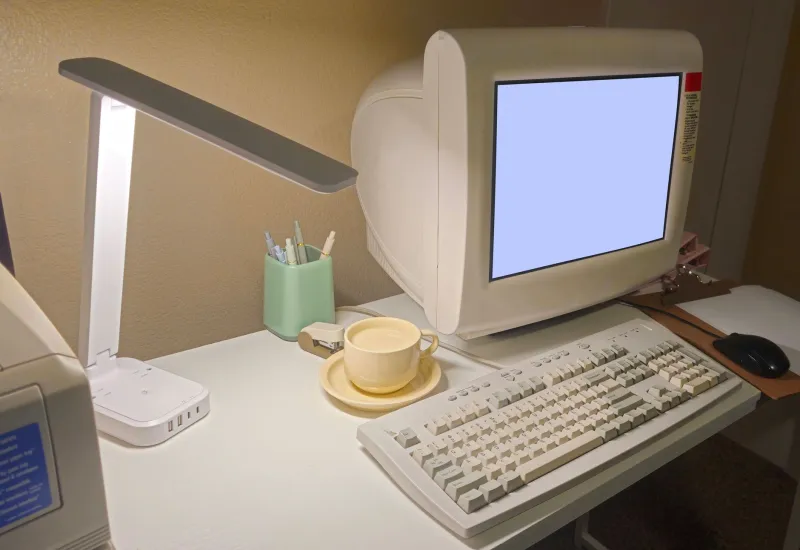
Photo by Photo by Francisco Gonzalez on Unsplash on Unsplash
Somewhere in a spare bedroom in Tucson, a man named Dave has a Raspberry Pi running 24/7. It hosts a BBS that averages maybe thirty active users on a good week. He pays the electricity bill. He handles the maintenance. He troubleshoots the door games when they break, writes the welcome screens himself, and answers support messages from strangers who found his board through a telnet directory listing. Nobody told him to do any of this. He just does it.
Dave isn't alone. Across the United States — in suburban basements, apartment closets, and home offices decorated with vintage hardware — a generation of system operators is quietly running a parallel internet that most people have never heard of. These are the sysops of the modern BBS revival, and understanding why they do what they do requires reckoning honestly with what the mainstream internet has become.
What a Sysop Actually Does in 2024
The title "system operator" sounds official. In practice, it means being the IT department, community manager, content moderator, and janitor for a platform that runs on technology older than most of its users' cars.
Modern BBS software — Synchronet, ENiGMA½, and Mystic BBS are among the most widely used — has evolved considerably from the original TBBS and RBBS-PC packages of the 1980s. But maintaining these systems still demands a specific kind of patience. Door games, those third-party add-ons that let users play everything from Trade Wars to Legend of the Red Dragon, frequently need manual configuration. ANSI art menus break. Message networks like FidoNet or ArakNet require regular polling and troubleshooting. And when something goes sideways at 2 a.m., there's no help desk to call.
Sysops handle all of it, usually alone, usually for free.
"I spend maybe five to ten hours a week on the board," says one operator running a system out of the Pacific Northwest who goes by the handle Phosphor. "More if something breaks. My users don't pay anything. I'm not monetizing it. I just like having a place that feels like the internet used to feel."
That phrase — feels like the internet used to feel — comes up constantly when you talk to sysops. It's not nostalgia exactly, or not only nostalgia. It's a critique dressed up as a hobby.
The Anti-Algorithm Crowd
Ask a sysop why they run a BBS instead of, say, a Discord server or a Mastodon instance, and you'll get variations on the same answer. Discord is owned by a corporation that can change its terms, kill features, or shut down entirely with minimal notice. Mastodon, while decentralized, still operates within a framework built around the social media paradigm — follower counts, boosts, the subtle performance of public identity.
A BBS is different in ways that are hard to articulate until you've actually logged into one. The interface is text-based, usually accessed via telnet or SSH. There are no ads. There's no algorithm deciding what you see. The message boards are threaded chronologically. The community is small enough that regulars actually know each other.
"It's the difference between a neighborhood bar and a stadium," says a sysop in Chicago who runs a board focused on classic computing and retro gaming. "On a BBS, the regulars know your handle. They remember what you said last week. That kind of continuity is almost impossible to find on the big platforms now."
For a lot of sysops, running the board is also a form of technical activism. They're not just preserving old software — they're making an argument about what online community can look like when it isn't designed to extract attention and serve ads.
The Technical Weight of Keeping the Lights On
Running a BBS in 2025 is simultaneously easier and harder than it was in 1992. Easier because broadband means you're not rationing connection time, and modern hardware can run BBS software without breaking a sweat. Harder because you're maintaining compatibility with legacy systems, supporting users who connect from everything from retro terminals to modern SSH clients on MacBooks, and doing all of it without the institutional support that commercial platforms take for granted.
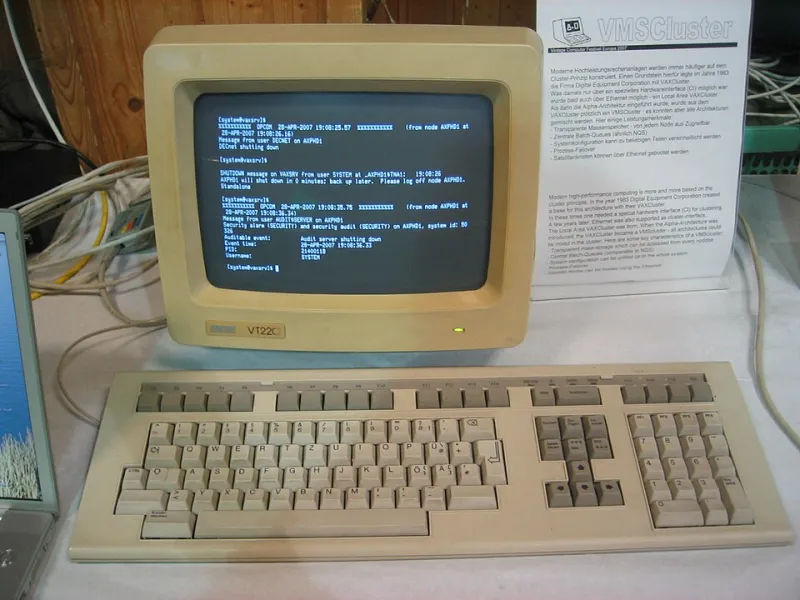
Some sysops run their boards on vintage hardware — actual 486 machines or early Pentium systems — as a point of pride and authenticity. Others run Raspberry Pis or repurposed laptops. A few use virtual private servers hosted in data centers, which adds a monthly cost on top of the time investment.
FidoNet, the original store-and-forward message network that connected BBS systems across the country before the public internet existed, is still operational. Sysops who connect to it are maintaining nodes in a network that dates back to 1984. Getting a FidoNet node set up and running reliably is a rite of passage in the BBS community — and a genuine technical challenge that involves understanding packet-based messaging protocols most computer science programs stopped teaching decades ago.
Why They Don't Quit
The honest answer is that most sysops have thought about quitting. The user numbers are modest. The technical problems are persistent. The time commitment is real.
What keeps them going is usually the community itself.
"I had a user message me last year," says Phosphor. "He was going through a rough stretch — job stuff, health stuff. He said the board was one of the few places online where he felt like himself. That's not something you get from running a subreddit."
There's also the craft of it. BBS sysops are, in a meaningful sense, artists. They design the welcome screens, write the system prompts, curate the door game library, and set the tone for how the community interacts. It's a form of creative work that corporate platforms have largely eliminated — the idea that the person running a community space has a genuine aesthetic vision for what it should feel like.
Some sysops have been at it for thirty years, running systems that predate the World Wide Web. Others are in their twenties, people who discovered BBS culture through YouTube videos or retro computing blogs and decided they wanted to be part of it rather than just watch from the outside.
Logging In Is the Point
If you've never connected to a modern BBS, the barrier to entry is lower than you might think. Telnet clients are free. Most boards are listed in public directories. The learning curve is real but short — within twenty minutes, most people have figured out the navigation and found their way to the message boards.
What happens after that depends on the board. Some are focused on retro gaming and classic hardware. Some are general-purpose community spaces. Some are dedicated to specific scenes — phreaking history, ANSI art, amateur radio. A few have developed genuine long-term communities with users who have been logging in for years.
The sysops running these spaces aren't doing it for recognition. Most of them operate under handles, maintain a low profile, and would be mildly embarrassed by the suggestion that what they're doing matters. But it does matter — as a preservation effort, as a technical practice, and as a quiet demonstration that online community doesn't have to be built on surveillance capitalism to work.
Dave in Tucson will be back at his keyboard tonight, checking the message traffic, making sure the door games are running, and keeping the lights on for thirty people who found something online worth coming back to. Nobody asked him to. That's sort of the whole point.