Screech, Hiss, Connect: The Accidental Music of the Dial-Up Era
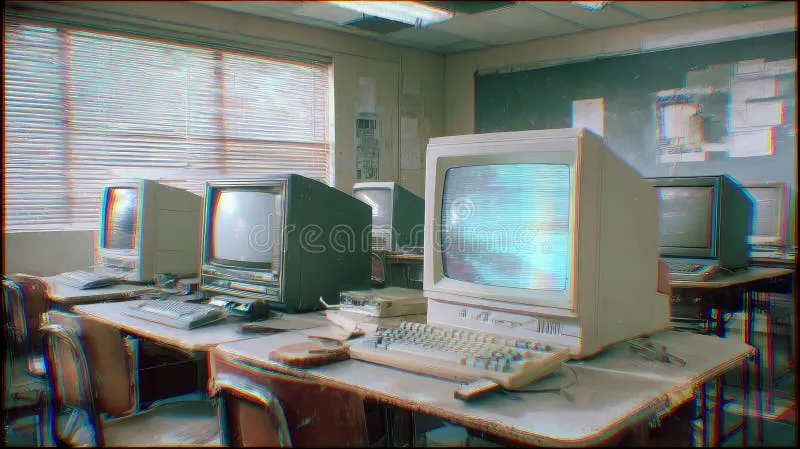
There was no subtlety to it. You picked up the phone, you dialed, and then your house filled with what sounded like two fax machines having an argument inside a washing machine. The 56K modem handshake was not designed to be pleasant. It was not designed to be anything, really, except functional. And yet here we are, decades later, and that exact sequence of tones is triggering genuine nostalgia in people who once complained bitterly about it every single time.
Welcome to one of the stranger cultural reclamation projects of the 2020s.
What You Were Actually Hearing
Let's back up a second, because most people who grew up with dial-up never knew what the noise meant. It wasn't random. Every screech, chirp, and hiss in that connect sequence was your modem doing something specific — negotiating protocols, testing line quality, agreeing on a shared language with the machine on the other end.
The opening tone was your modem saying hello. The answering screech from the ISP's equipment was the reply. What followed — that cascading waterfall of static and tones — was essentially two devices running through a checklist at high speed, trying to figure out the fastest stable connection the phone line could handle. The whole thing typically lasted somewhere between 20 and 45 seconds, which felt like forever when you were 14 and just wanted to get on AIM.
Engineers who worked at ISPs during the peak dial-up years describe the sound as a kind of compressed autobiography of the connection. Every line was slightly different. A bad storm the night before might produce a longer, scratchier handshake. A clean suburban phone line in dry weather could sound almost musical. People who spent enough time listening to it — sysops, network techs, heavy BBS users — got pretty good at diagnosing problems just by ear.
The Sound That Shaped a Generation's Relationship With Online Life
Here's the thing about the modem handshake that often gets overlooked: it was a ritual. You didn't just appear online. You waited. You listened. The sounds told you whether tonight was going to be a good night or a frustrating one.
That waiting period did something interesting to the way people thought about the internet. It wasn't always on. It wasn't ambient. Getting online was an event, and the audio sequence was the fanfare. There was genuine anticipation baked into those 30 seconds of noise, a sense that something was about to happen that required this elaborate mechanical ceremony to unlock.
Compare that to today, where most people's phones are connected before they've consciously decided to check them. The transition from dial-up to broadband wasn't just a speed upgrade — it fundamentally changed the psychological relationship between users and the network. The sounds going away was part of that. Quietly, without anyone really marking the moment, the internet stopped announcing itself.
Lo-Fi Producers and the Retro Sound Revival
Somewhere around 2019 or 2020, producers working in the lo-fi hip-hop and chillwave spaces started sampling modem sounds. Not ironically, or at least not only ironically. The handshake tones, processed and layered under slow beats, turned out to have a texture that worked surprisingly well as ambient texture — grainy, warm, and carrying this weight of implied memory.
The lo-fi aesthetic was already built around the idea that imperfection sounds good. Tape hiss, vinyl crackle, the slight waver of an old cassette — these aren't flaws being tolerated, they're features being sought out. Modem sounds fit naturally into that vocabulary. They're analog artifacts of a digital process, which is a weird paradox that the genre seems to enjoy leaning into.
Retro gaming communities picked up the thread from a different direction. Indie developers working in the 8-bit and 16-bit aesthetic spaces started incorporating modem-adjacent sounds into their soundtracks and UI audio — not just as Easter eggs, but as genuine design choices. A game that wants you to feel like you're booting up something old uses those sounds because nothing else communicates that specific feeling quite as efficiently.
Why These Sounds Hit Different Now
Nostalgia is always partly about what surrounds the memory, not just the memory itself. The modem sounds aren't just sounds — they're attached to a specific version of the internet that felt, rightly or wrongly, like it belonged to the people using it. Small communities. Weird personal websites. BBSs where everyone knew each other's handle.
The sounds have become a kind of shorthand for that whole era. When a lo-fi track drops a modem handshake sample in the background, it's not really about modems. It's about the feeling of logging on before the internet got big and loud and commercial. It's about the specific texture of being online when online still felt like somewhere you went.
That's a lot of freight for a 30-second noise to carry. But here we are.
The Archive Problem
One thing worth noting: high-quality recordings of authentic modem handshakes are harder to find than you'd expect. The sounds were so ubiquitous that nobody thought to document them carefully. Most of what circulates online now is compressed, low-bitrate, recorded off someone's desktop speakers with a cheap microphone in the mid-2000s.
A small number of audio archivists have been working to fix this — sourcing original hardware, running clean recordings through proper equipment, cataloging the differences between modem generations and manufacturers. A US Robotics 56K and a Hayes Optima had slightly different voices, and the people who care about this stuff care about it a lot.
It's a niche project, but it fits right into the broader pattern of communities deciding that the ephemeral sounds of the early internet deserve the same preservation effort as the software and the text.
Still Connecting
The modem handshake was never supposed to be beautiful. It was a technical process leaking out into the audible world, a side effect of machines doing their jobs. The fact that it became one of the defining sonic memories of a generation says something interesting about how meaning gets assigned after the fact.
We didn't love those sounds when we were living with them. We loved what came after — the connection, the community, the sense of being somewhere. Now that the connection is instant and the community has largely moved somewhere else, the sounds have absorbed all of that feeling by association.
So yeah. Two modems screaming at each other across a phone line for 30 seconds. Turns out that's kind of beautiful, in retrospect.