Root Access to the Neighborhood: The Regional ISP Operators Who Built Your First Internet

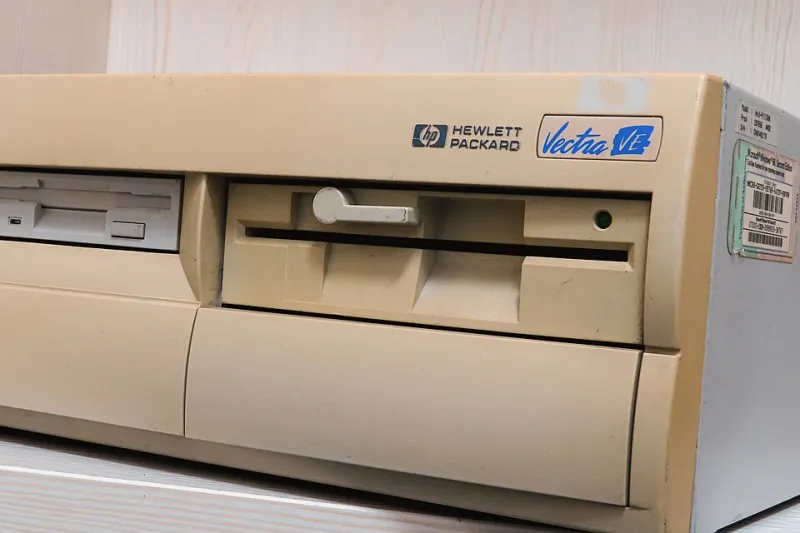
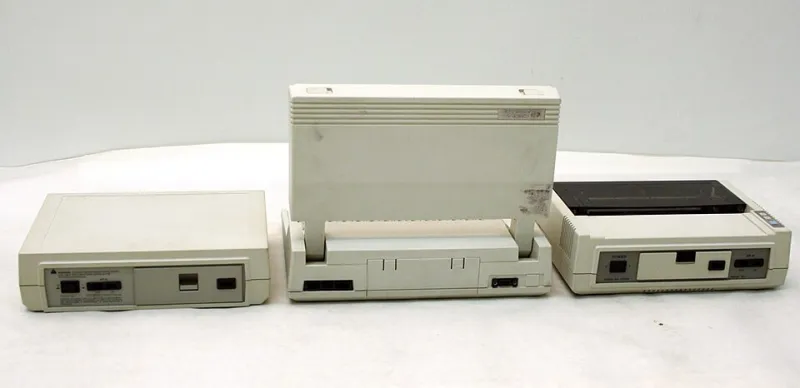
Photo: vintage server room modem rack 1990s internet hardware, via as2.ftcdn.net
Somewhere in a garage in Boise, Idaho, in 1994, a guy named Terry ran the internet. Not all of it, obviously. But for a few thousand people in the surrounding area, Terry's setup — a rack of modems, a T1 line he was splitting six ways, and a Unix box that had seen better days — was the connection to the wider world. He knew his users. He answered the phone himself. And when someone did something sketchy on his network, he made a call about what to do about it.
That kind of operator doesn't exist anymore. But for a solid decade, people like Terry were everywhere — the unsung technical backbone of American internet access before the telecoms figured out there was serious money in this thing.
The Operator Class Nobody Remembers
By the mid-1990s, thousands of small ISPs were operating across the United States. Some were one-person shops running out of spare bedrooms. Others were scrappy startups with a handful of employees and ambitions to grow. What they shared was a weird, accidental kind of authority. They controlled the on-ramp.
Diane Kowalski ran a regional ISP called LakeFront Net out of Cleveland from 1993 to 2001. She got into it sideways — she'd been doing Unix administration for a manufacturing company and started reselling connectivity to neighbors almost as a side hustle. Within two years she had over 3,000 accounts.
"People think the internet was always this anonymous, hands-off thing," she says. "It wasn't. I knew half my users. I could tell you which accounts were the high school kids and which ones were the small businesses. When something weird happened on the network, I had context."
That context mattered more than most people realize. Because running a local ISP wasn't just a technical job. It was, in practice, a role with genuine editorial and ethical weight.
Making Calls Nobody Trained You to Make
The decisions these operators faced on a daily basis had no rulebook. Acceptable Use Policies existed, but they were loose documents, often copied from templates and rarely tested. When a user started hammering someone else's server, or when a complaint came in about harassing emails, or when law enforcement showed up asking questions — the ISP operator was the one who had to figure out what happened next.
"I had the FBI at my door twice," says Marcus Webb, who ran a small ISP called PineCrest Online in rural Oregon through the late nineties. "The first time I had no idea what I was legally obligated to hand over and what I wasn't. I called a lawyer friend at eleven at night. We figured it out together."
These weren't people who'd been trained in telecommunications law or content moderation policy. They were technical people — sysadmins, engineers, hobbyists — who'd wandered into a position of significant community responsibility. Some handled it thoughtfully. Others, inevitably, didn't.
Kowalski remembers terminating an account she was pretty sure belonged to someone running a harassment campaign against a local woman. "I had no proof, really. I had log patterns and a gut feeling and a very upset person calling me crying. I made a judgment call. I killed the account. Was that the right thing to do legally? I still don't know. But I did it."
That kind of granular, human-scale moderation is almost impossible to imagine in the current environment, where content decisions at major platforms involve policy teams, legal review, and PR strategy.
The Community Layer
What gets overlooked in nostalgia-tinged conversations about early internet culture is how much of that culture was actually shaped by these local gatekeepers — not through censorship, but through curation and community-building.
Many small ISPs hosted local Usenet groups, ran their own discussion boards, and created digital spaces that were genuinely tied to physical geography. PineCrest Online had a local classifieds board that Webb says was more active than anything else on his system. LakeFront Net hosted a forum specifically for Cleveland-area musicians that Kowalski says spawned at least three actual bands.
"There was this layer of the internet that was intensely local," says Dr. Patricia Hensley, who researches internet history at a university in the Pacific Northwest. "The regional ISP was the institution that made that possible. When they went away, that layer basically disappeared."
The consolidation happened fast. AOL had already been vacuuming up smaller providers through the late nineties. Then the telecom deregulation reshuffling of the early 2000s gave the big cable and phone companies the infrastructure leverage they needed to undercut regional operators on price. By 2005, the independent ISP landscape had been largely flattened.
What the Big Guys Couldn't Replicate
Webb watched his subscriber base drain away over about eighteen months as a cable company moved into his service area. "They charged less than I could possibly charge. I couldn't compete on price. I tried to compete on service — I answered my own support line, I knew people's setups — but at some point people just want the cheaper bill."
He shut down PineCrest Online in 2003. The local boards went dark. The classifieds, the community threads, the weird little digital geography of that part of Oregon — gone.
Kowalski held on until 2001, when she sold her subscriber list to a regional cable operator and walked away. She says she occasionally hears from former users who remember LakeFront Net with genuine fondness.
"One guy emailed me a few years ago, said he'd met his wife through a thread on one of our local boards. That's the stuff that didn't transfer when the big providers took over. They didn't want local boards. They wanted throughput."
A Different Kind of Infrastructure
It's tempting to romanticize this era, and we should be careful about that. Some small ISP operators were terrible. Some were arbitrary, some were snoopy, some made bad calls that hurt people. The lack of accountability ran both directions.
But what's genuinely worth mourning is the structural thing those operators represented: a distributed, human-scaled layer of internet infrastructure where real people made real decisions about their real communities. The accountability was imperfect, but it was local. You could, in theory, call Terry in Boise and yell at him. You cannot call Comcast and yell at anyone who has any power over anything.
The regional ISP operator was a flawed institution. But it was an institution that was of its community in a way that no national provider has ever managed to be.
Somewhere out there, a few independent ISPs still operate — mostly in rural areas where the big players haven't found it profitable to go. The people running them are carrying forward something that most of the internet has completely forgotten.
Terry from Boise, if you're reading this: we see you.