Sectors, Feuds, and Turn Limits: The Longest-Running Game Tournaments on the Internet Are Text-Based

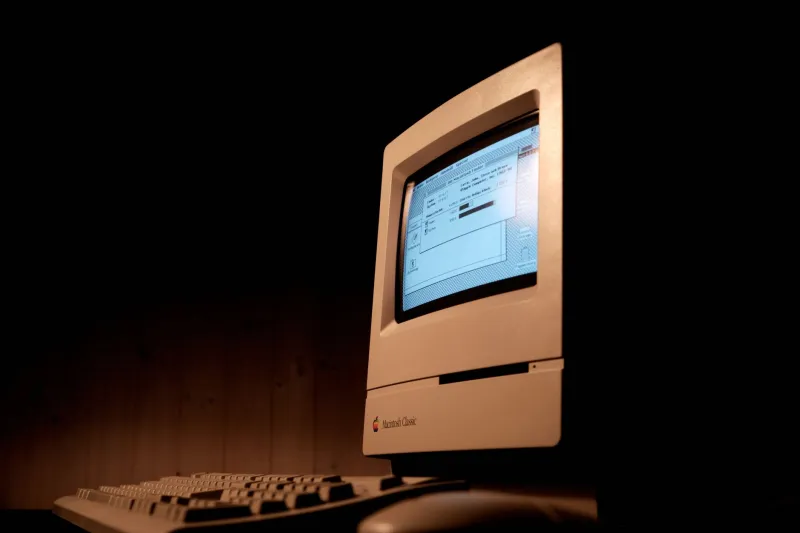
Photo: The Retro Web, GPLv3, via Wikimedia Commons
There's a particular kind of tension you only get from a text game. No explosions, no killcams, no twitch reflexes required. Just you, a blinking cursor, and the knowledge that somewhere out there, another player just spent their last turn of the day buying 30 units of organic cargo and a hold full of deception.
Welcome to the door game scene, where tournaments have outlasted the companies that made the games, the boards that ran them, and in some cases the marriages of the people playing them.
The Turn Is the Tension
If you came of age after broadband, here's the pitch: door games ran on BBSes, and BBSes charged sysops by the phone line. Every minute a user was connected was a minute another user couldn't call in. So games like TradeWars 2002 and Legend of the Red Dragon were built around turn limits — a daily ration of actions, maybe 200, maybe 400, that forced everyone to play in short, deliberate bursts.
It sounds restrictive. It's actually genius.
Modern games are designed to keep you playing forever — daily quests, battle passes, login streaks. Door games had daily limits baked in as a hardware constraint, and the side effect was a game you could think about all day without actually playing. You'd lie in bed planning your next sector route. You'd sketch trade routes on notebook paper during study hall. The turn limit made the game a background process running in your head.
Ask anyone who's sunk a decade into a TradeWars tournament and they'll tell you the same thing: the game happens between sessions.
Feuds With a Paper Trail
The competition in these communities is real, and because everything is text, it's all documented. Old tournaments keep logs. Alliance betrayals from the Clinton administration are still cited in current threads. There are players in the long-running TradeWars tournaments hosted by boards like at least a few of the surviving dial-up systems who can recite the history of a particular universe the way Civil War buffs recite Gettysburg.
And LORD — Legend of the Red Dragon — built its own social layer on top of the combat. Flirting with Violet, picking fights in the forest, the player-killing that turned co-op boards into blood feuds. It was social gaming before anyone called it that, and the people running multi-decade tournaments say the drama is the feature, not the bug.
"Half my players are in their fifties and half are in their twenties," one sysop told me, "and they hate each other in exactly the same way."
The New Blood
Here's the part nobody predicted: door games are recruiting. A generation raised on always-online shooters and battle royales — games where you can be shot in the back before you finish loading — keeps showing up on these boards asking how to play. The answer is usually a wall of text and a patient veteran, and apparently that's enough.
The appeal makes sense when you think about it. Turn-based text games cost nothing to run, work on a Raspberry Pi, respect your schedule, and reward thinking over reaction time. There's no matchmaking algorithm, no monetization, no season ending to stress about. The same tournament that was running when you had a 56k modem will be running when your kids graduate.
Some of the newest players found the boards through retro-computing YouTube channels and Mastodon threads. Others just wanted to know what their older sibling was always hogging the phone line for. Whatever the on-ramp, they're staying — and some of them are already sysops, spinning up their own boards and adding door games alongside the classics.
Keeping the Doors Open
Running a tournament in 2025 is a labor of love with a maintenance schedule. The original games were written for DOS and MS-DOS-based BBS software like RemoteAccess and WWIV, so modern hosts run them inside emulators or DOSBox wrappers, or rely on ports and remakes like the various TradeWars clones and the actively maintained LORD rewrites. Every Windows update is a potential outage. Every player who migrates to a new machine is a support ticket.
The sysops do it anyway, because the alternative is letting a twenty-five-year tournament die, and these are people who don't let things die. Ask them why and you'll get a shrug, or a story about the night their alliance finally took down the universe's biggest trade baron, or just: "Where else am I going to play this?"
The door games never really closed. They just stopped being convenient. Turns out that's not the same thing at all.