Inbox Zero, 1992 Style: The Diehards Still Running Eudora Like It's a Feature, Not a Bug
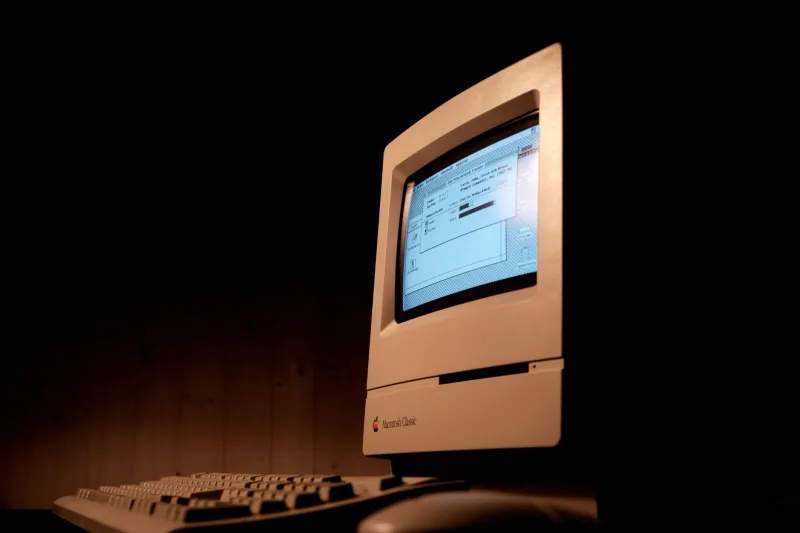
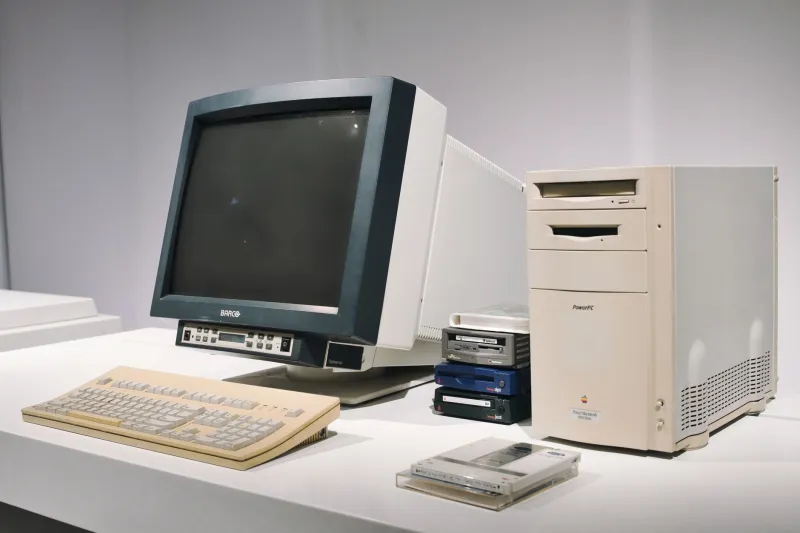
There's a certain kind of person who keeps a 486 tower in their basement not as a conversation piece, but as a working machine. You probably know the type — or you are the type, which is why you're reading this. That same energy, it turns out, runs deep in the email client world too. While Silicon Valley spent the last two decades telling everyone to just use the browser, a quiet community of holdouts kept firing up Eudora, The Bat!, and Pegasus Mail like nothing happened. And honestly? They've got a case.
What Even Is Eudora at This Point
For the uninitiated: Eudora was the email client for a huge chunk of the early internet. Developed at the University of Illinois and eventually commercialized by Qualcomm, it dominated desktops through the '90s and into the early 2000s. It had filtering, multiple accounts, and a personality that felt genuinely crafted rather than committee-approved. Then Qualcomm killed it in 2006, handed the codebase to Mozilla, and the resulting open-source port quietly faded into the background.
Except for the people who never left.
Talk to longtime Eudora users and you'll hear the same thing repeated in different ways: the program just worked, and nothing since has worked the same way. "I've tried everything," says a retired network admin in Ohio who's been running Eudora on a Windows XP virtual machine for the better part of a decade. "Thunderbird, Outlook, even some of the newer indie clients. None of them handle my filters the way Eudora does. I've got rules built up over fifteen years. I'm not rebuilding that."
That's the thing about email clients built before the subscription era — they were designed to be yours. Your filters, your folders, your interface tweaks. The data lived on your machine, not in someone's data center in Oregon.
The Bat! and the Pegasus Faithful
Eudora isn't alone in this corner of the internet. The Bat!, developed by a small Moldovan software company called Ritlabs, has maintained a loyal following since 1998. It's still actively developed — one of the few vintage-era clients that never went dark — and its user base treats that longevity like a badge of honor. Forums dedicated to The Bat! read like old BBS threads: dense with technical knowledge, low on patience for basic questions, deeply invested in a specific way of doing things.
Pegasus Mail, meanwhile, is practically a ghost story. Developed by David Harris in New Zealand, it's been free since the beginning and is still technically available. Its interface looks like it was designed when WFWG 3.11 was considered modern, because it basically was. And yet people defend it with the kind of loyalty usually reserved for sports teams. "Pegasus does MIME handling better than anything I've used since," one user posted in a mailing list thread from 2021 that somehow still gets replies. "I don't care how it looks. I care that it works."
Privacy as a Feature, Not a Checkbox
Here's where the conversation gets genuinely interesting. A lot of the people still running these clients aren't just nostalgic — they're making a deliberate choice about data ownership. Gmail reads your email to serve ads (or used to, officially). Outlook ties into Microsoft's cloud ecosystem in ways that aren't always transparent. Web-based clients require your messages to live somewhere other than your hard drive.
Vintage desktop clients don't have those problems. They're dumb in the best possible way — they fetch your mail, they store it locally, they do what you tell them. No telemetry. No synced behavioral data. No "smart" suggestions trained on the contents of your inbox.
"I work in healthcare IT," says one user who asked not to be named. "I can't have my work email anywhere near a cloud service I don't control. Eudora on a locked-down local machine is actually the most compliant solution I've found for certain workflows. That sounds insane, I know. But it's true."
It does sound insane. It's also not wrong.
The Feature Parity Argument
The pushback you'll hear from modern email evangelists is that old clients can't handle the way email works now — HTML rendering, large attachments, OAuth authentication for modern mail providers. And that's partially fair. Getting Eudora to talk to a Gmail account in 2024 requires some creative plumbing. But the devotees have workarounds, and they'll walk you through every one of them with the kind of patience that only comes from having answered the same question in a mailing list for twenty years.
The Bat! has kept up with modern authentication standards, which is part of why it retains active users beyond the purely nostalgic crowd. Thunderbird, while not exactly vintage, occupies a middle ground — it's the client that ex-Eudora users often reluctantly migrate to when the old machine finally dies, and even then they spend the first month complaining about how the filters aren't as good.
Because the filters really aren't as good.
What Gets Lost in the Upgrade
There's a philosophical dimension here that goes beyond feature lists. Modern email clients — and especially web-based ones — are designed around the assumption that your attention is a resource to be managed on someone else's terms. Notifications, priority inboxes, nudges, suggested replies. The interface is a product decision made by a team optimizing for engagement metrics.
Old clients weren't like that. They were tools. You opened them when you wanted to deal with email. They didn't have opinions about when that should be.
That distinction matters more than it sounds. A lot of the people still running Eudora or The Bat! describe their relationship with email as fundamentally different from colleagues who use web clients — more deliberate, less reactive. Whether that's the software or just the mindset of people who choose the software is genuinely hard to untangle. But either way, they're not wrong that something changed when email became an always-on ambient presence rather than a discrete task.
Still Worth Logging In
The Eudora community isn't huge. Neither is the Pegasus crowd. But they're real, they're active, and they've been having the same arguments about client configuration and mail server compatibility since before most current internet users were born. They've got mailing lists, a few dedicated forums, and the kind of institutional knowledge that only accumulates over decades.
If you've got an old copy of Eudora sitting on a backup drive somewhere, there's a community that would genuinely love to hear from you. They're still at the keyboard. Still checking mail the old way.
Jack in. Log on. You know how this goes.